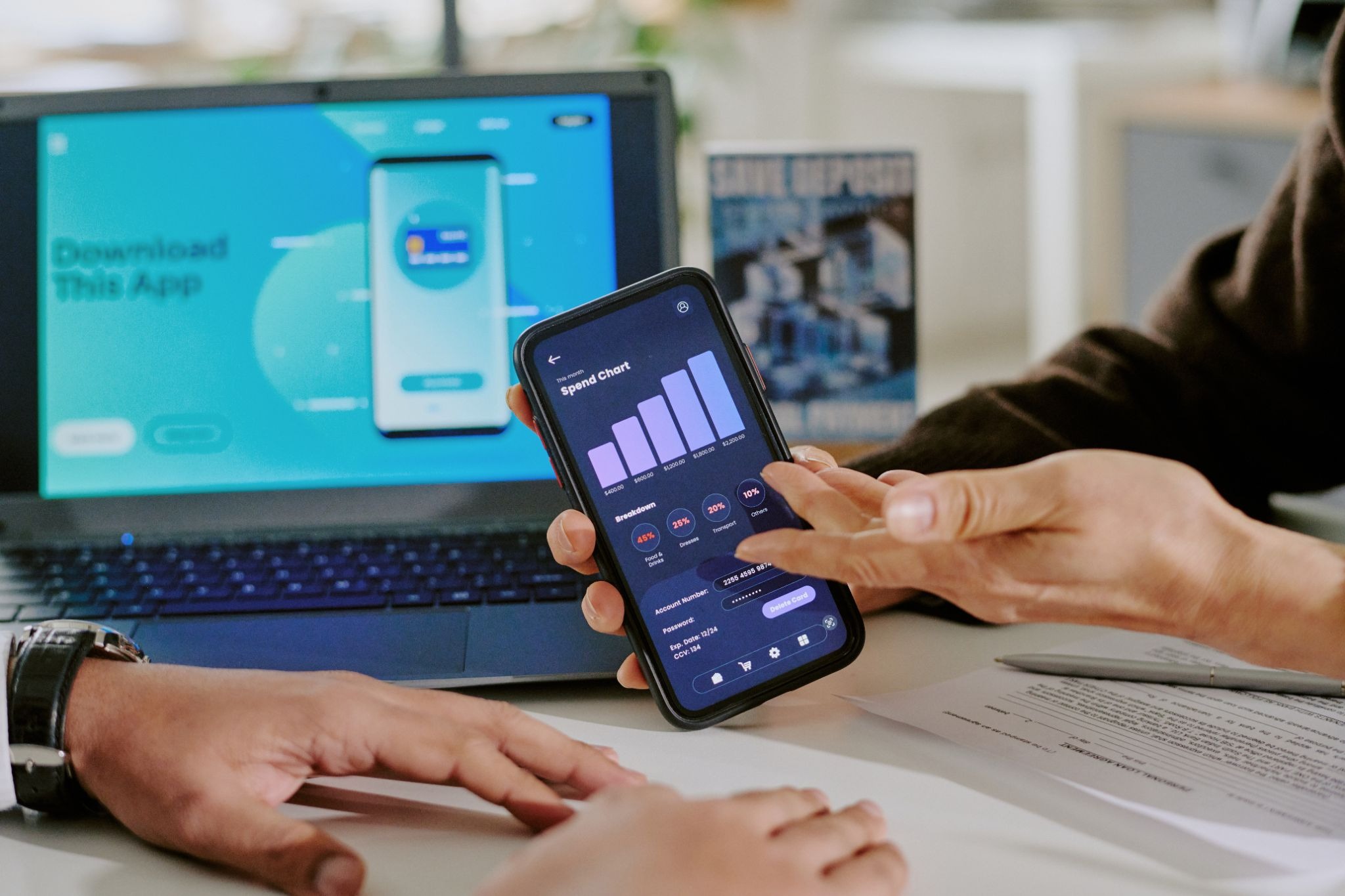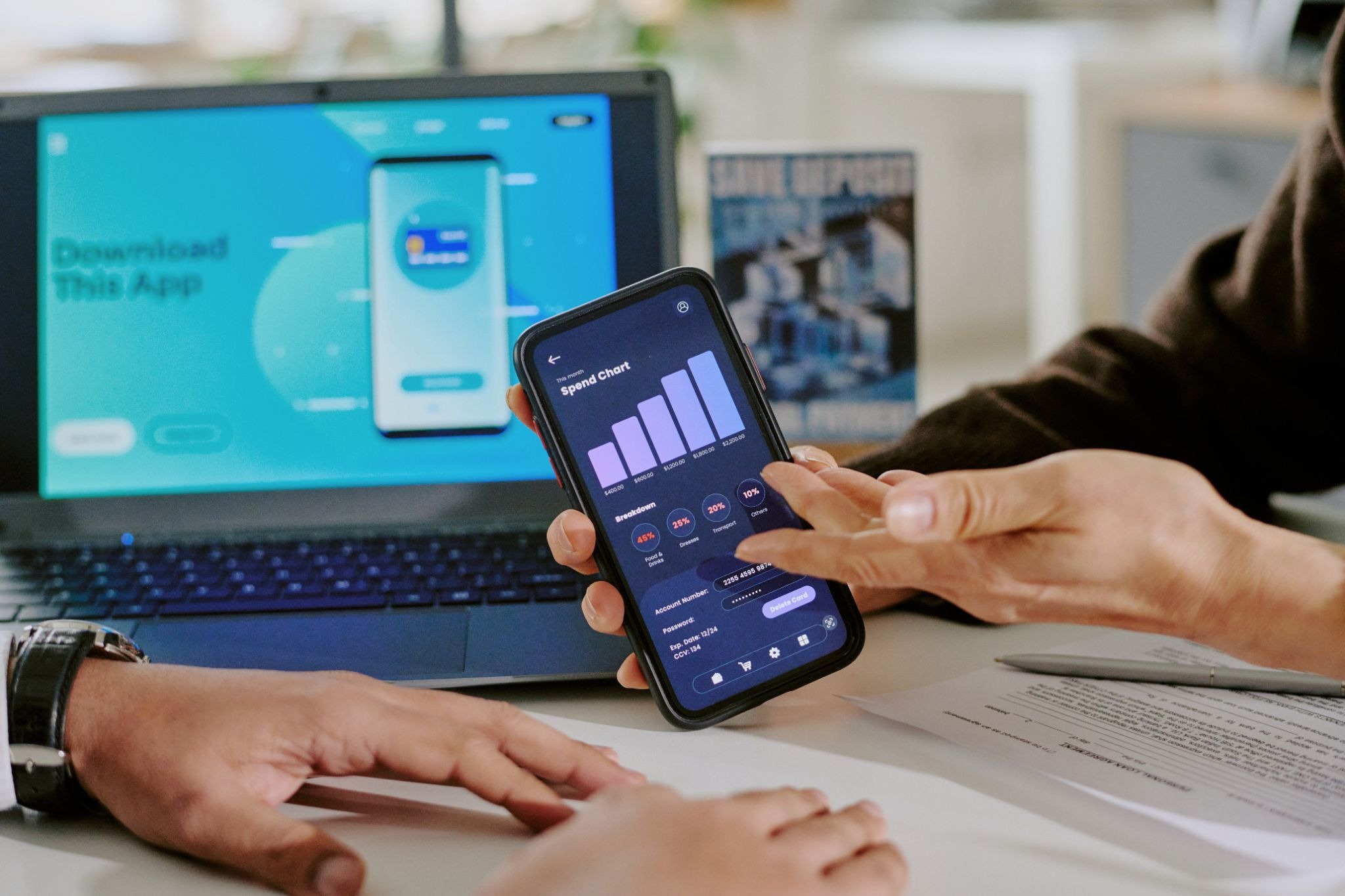
App development is one of the most in-demand skills in today’s digital economy. Whether you are a startup founder, a business owner, or an individual looking to launch a personal project, understanding how to develop apps is essential. Apps are no longer just tools; they are the primary interface between companies and users. From enhancing customer engagement to driving revenue, the right app can transform a business. Moreover, app development is evolving quickly with new technologies, frameworks, and user expectations, making it a dynamic and exciting field for both beginners and experts.
In this guide, we will break down what app development is, the types of apps you can create, the development process, essential tools, common challenges, and future trends. By the end, you’ll have a clear roadmap to navigate app development strategically, whether you’re coding your first app or refining advanced projects.
What is App Development and Why It Matters
App development refers to the process of creating software applications for mobile devices, tablets, or web platforms. It involves designing, coding, testing, and deploying apps that serve specific user needs. The importance of app development cannot be overstated. Apps have become central to everyday life, from banking and shopping to healthcare and education. Companies rely on apps to engage customers, collect insights, and provide services more efficiently.
For startups and businesses, app development can mean the difference between rapid growth and stagnation. A well-designed app improves user experience, strengthens brand identity, and opens new revenue streams. For individuals, creating an app is an opportunity to solve real-world problems, experiment with emerging technologies, or monetize innovative ideas. In 2026, the ability to understand and execute app development strategically is not just a technical skill—it’s a competitive advantage.
Key Types of Apps You Can Develop
Native Apps
Native apps are developed specifically for a particular platform, like iOS or Android. They are built using platform-specific programming languages—Swift for iOS and Kotlin or Java for Android. Because they are tailored to a specific operating system, native apps deliver superior performance, smoother animations, and deeper integration with device features such as the camera, GPS, and push notifications.
The main advantage of native apps is their ability to offer a seamless user experience. They tend to be faster, more responsive, and more reliable compared to other app types. However, developing native apps for multiple platforms requires maintaining separate codebases, which can increase costs and development time. Native apps are ideal for projects that demand high performance, complex functionality, or advanced hardware integration.
Cross-Platform Apps
Cross-platform apps allow developers to write a single codebase that runs on multiple platforms. Frameworks like React Native, Flutter, and Xamarin make this approach feasible. Cross-platform development is faster and more cost-effective since one set of code can serve iOS, Android, and sometimes web platforms simultaneously.
The primary benefit is efficiency: businesses can reach a broader audience without doubling development effort. While cross-platform apps might not match native apps in terms of performance or hardware-specific features, advancements in frameworks are narrowing the gap. Cross-platform development is particularly suitable for startups and small businesses that need to launch quickly and iterate frequently based on user feedback.
The App Development Process Explained
Understanding the app development lifecycle is crucial for building successful applications. The process generally involves several stages:
Idea Validation and Market Research – Before writing a single line of code, validate your idea. Research competitors, understand your target audience, and identify gaps in the market.
Wireframing and UI/UX Design – Sketch the app’s flow and design the interface. Wireframes and prototypes help visualize navigation, features, and usability. Good UI/UX design ensures the app is intuitive and engaging.
Coding, Testing, and Deployment – Development involves writing the code according to design specifications. Testing is equally important to catch bugs, optimize performance, and ensure compatibility across devices. Once tested, the app is deployed to app stores or enterprise systems.
Maintenance and Updates – Launching the app is just the beginning. Ongoing maintenance includes fixing bugs, updating software to match OS changes, and adding new features to meet evolving user needs. Continuous iteration keeps the app relevant and competitive.
Following this structured process reduces risks, improves product quality, and ensures that the app meets user expectations effectively.
Essential Tools and Technologies for App Development
The choice of tools and technologies significantly impacts the efficiency and outcome of app development.
Programming Languages – Swift for iOS, Kotlin and Java for Android, and JavaScript for cross-platform development are foundational. Each language offers unique advantages depending on the platform and project requirements.
Frameworks – React Native, Flutter, and Xamarin are the most popular frameworks for cross-platform apps. They accelerate development, simplify maintenance, and allow rapid deployment.
Development Environments and Project Management Tools – IDEs like Xcode and Android Studio provide comprehensive development environments. Tools such as Jira, Trello, and Asana help manage tasks, track progress, and coordinate teams efficiently.
Selecting the right combination of technologies ensures scalability, maintainability, and adaptability to future requirements. Developers who master these tools can innovate faster while maintaining code quality.
Common Challenges in App Development
Despite careful planning, developers face several challenges:
Time and Budget Constraints – Projects often exceed initial estimates, making efficient planning and resource allocation crucial.
Ensuring Compatibility and Performance – Different devices, screen sizes, and operating systems can introduce unexpected bugs or performance issues. Testing across multiple configurations is essential.
Security Concerns and Data Privacy – Apps handle sensitive user data. Ensuring encryption, secure authentication, and compliance with regulations like GDPR is vital to maintain trust and avoid legal complications.
Overcoming these challenges requires strategic thinking, robust testing, and a proactive approach to risk management.
Tips for Beginners and Experts to Succeed
Success in app development combines technical skills with strategic awareness:
-
Best Practices in Coding and Design – Write clean, modular code and focus on user-centered design principles to improve usability and scalability.
-
Staying Updated with Trends and User Needs – Emerging technologies, platform updates, and shifting user expectations demand continuous learning and adaptation.
-
Importance of Testing and Feedback – Frequent testing and collecting user feedback early ensures the app meets expectations and reduces costly post-launch fixes.
By adopting these practices, both beginners and seasoned developers can create apps that are functional, visually appealing, and sustainable.
Future Trends in App Development
Several trends are shaping the next era of app development:
-
AI and Machine Learning Integration – Intelligent apps that personalize experiences, automate tasks, and analyze data in real time are becoming the norm.
-
Progressive Web Apps (PWAs) – PWAs combine web and app experiences, offering offline access, push notifications, and near-native performance.
-
IoT, AR/VR, and 5G-Enabled Apps – Connected devices, immersive experiences, and ultra-fast networks expand the possibilities for innovative app functionalities.
Staying ahead of these trends is essential for developers aiming to create future-proof applications that meet evolving user needs.
Conclusion
App development is a dynamic journey, combining creativity, technical expertise, and strategic insight. From understanding different app types to navigating development tools, frameworks, and challenges, mastery comes with practice and continuous learning. Whether you’re building a simple personal project or a complex enterprise solution, following a structured process, leveraging the right technologies, and staying informed about trends ensures your app is both innovative and effective.
By embracing best practices and experimenting with new ideas, beginners can accelerate their learning, and experienced developers can push the boundaries of what’s possible. App development is not just a skill; it’s a gateway to creating impactful digital experiences that resonate with users worldwide.