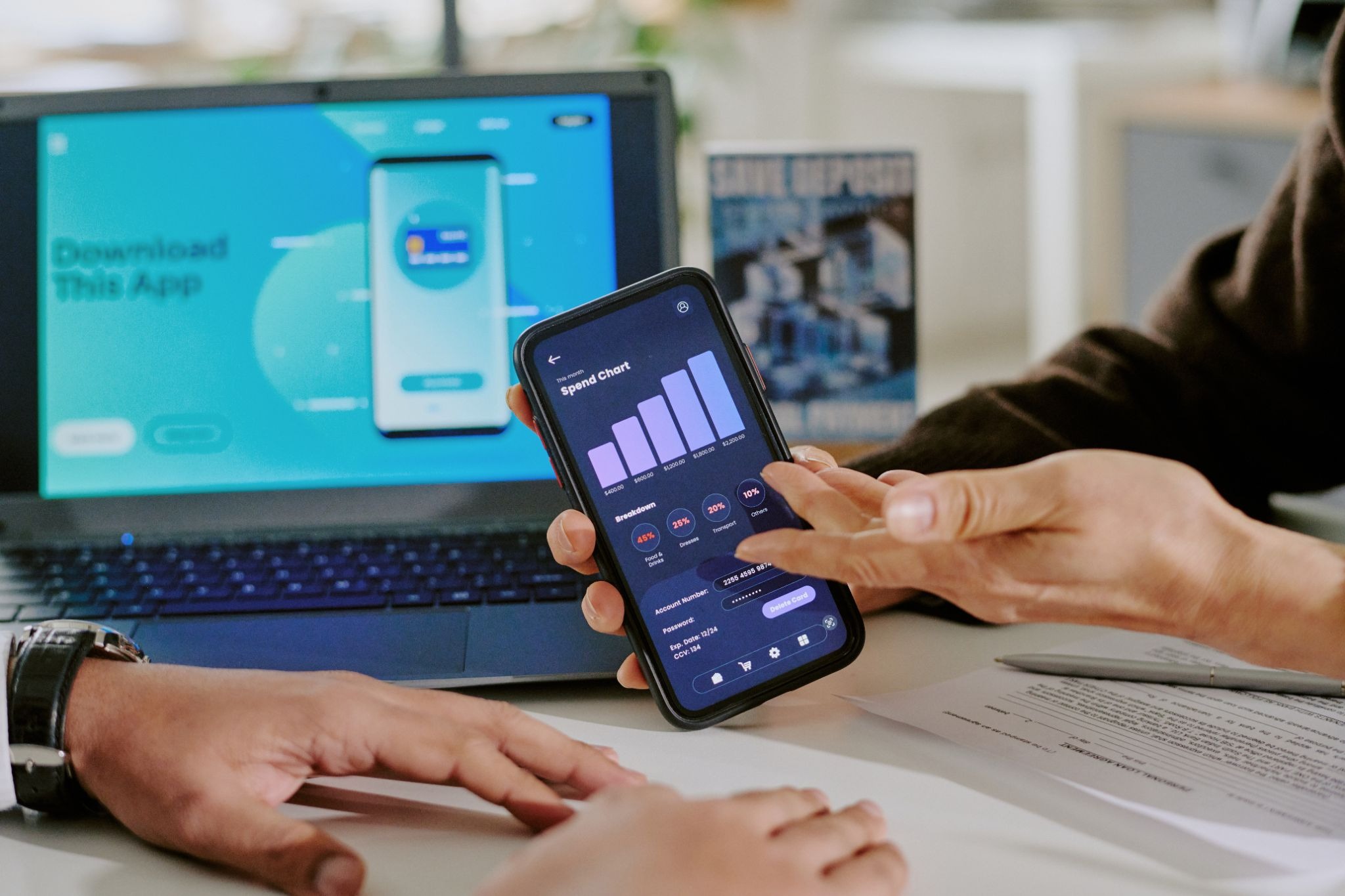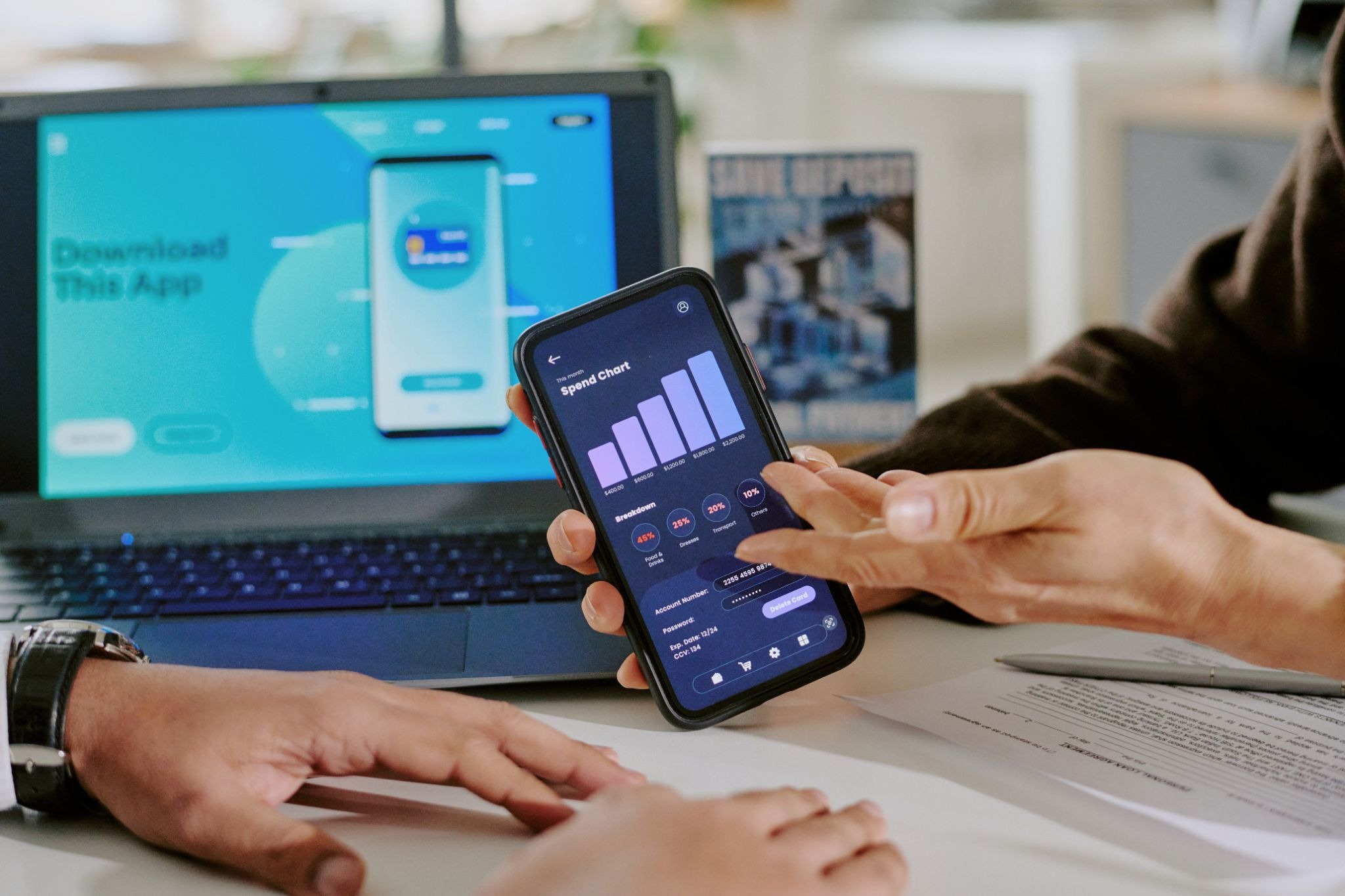

Mobile applications have become deeply integrated into modern life. People use apps to manage finances, communicate with friends, monitor health, shop online, and even control smart homes. As apps collect increasing amounts of personal information, concerns around app security and data privacy have become more serious than ever before.
In recent years, governments and technology companies have introduced stricter privacy regulations to protect user data. Laws such as GDPR in Europe, CCPA in California, and growing global cybersecurity standards are forcing developers to rethink how applications are designed and maintained. These regulations are not just legal requirements anymore; they directly influence technical decisions, user experience, infrastructure, and long-term business strategy.
For developers and companies, balancing innovation with compliance has become one of the biggest challenges in software development. Modern users expect fast, personalized, and convenient apps, but they also demand transparency and stronger app security protections.
This article explores how app security and privacy regulations shape development choices, influence design decisions, and redefine the future of mobile and web applications.
Why app security matters more than ever
The importance of app security has increased dramatically because apps now store sensitive personal and financial information. Banking credentials, health records, location data, biometric details, and payment information are all attractive targets for cybercriminals.
According to global cybersecurity reports, mobile attacks and application vulnerabilities continue to rise every year. Data breaches can cause financial loss, reputational damage, and legal consequences for companies that fail to protect user information.
This growing threat landscape has changed how developers approach software architecture. Security is no longer treated as a final testing phase. Instead, modern development teams integrate app security throughout the entire software development lifecycle.
Experts often refer to this approach as “security by design,” meaning protection mechanisms are built into applications from the beginning rather than added later.
Understanding privacy regulations and their impact
Privacy regulations are laws designed to protect how organizations collect, store, process, and share user data. Regulations like GDPR, CCPA, and other international privacy frameworks have significantly influenced app security practices worldwide.
These laws require companies to be transparent about data collection and provide users with more control over their information. Developers must now consider legal compliance during every stage of app development.
For example, apps must clearly explain why data is collected, how it will be used, and whether it will be shared with third parties. Failure to comply can result in massive financial penalties and loss of customer trust.
As a result, privacy compliance has become deeply connected to app security, forcing developers to create safer and more transparent digital experiences.
Security-first development is becoming the standard
In the past, speed and feature development were often prioritized over security. Today, companies recognize that weak app security can destroy user trust overnight.
Modern development teams increasingly adopt DevSecOps practices, where security testing is integrated continuously throughout development. This means vulnerabilities are detected earlier, reducing the risk of costly breaches after launch.
Developers now perform regular penetration testing, code analysis, and vulnerability scanning before applications reach users. These practices improve resilience against cyberattacks while ensuring compliance with industry regulations.
Large technology companies like Apple and Google also enforce stricter app store policies, pushing developers toward stronger app security standards.
Data minimization changes development strategies
One major effect of privacy regulations is the principle of data minimization. This means apps should only collect the information absolutely necessary for functionality.
This concept directly influences development choices. Instead of gathering excessive user data for future marketing opportunities, developers now design apps with limited and targeted data collection.
For example, a weather app may only require approximate location access rather than constant background tracking. By reducing unnecessary permissions, companies improve app security while building user trust.
Research in consumer behavior shows that users are more likely to engage with apps that request fewer intrusive permissions.
Encryption and secure architecture
Encryption has become one of the most important pillars of app security. Privacy regulations often require companies to protect sensitive data both during transmission and storage.
Developers now implement end-to-end encryption, secure APIs, encrypted databases, and token-based authentication systems as standard practices. These technologies reduce the risk of unauthorized access and data interception.
Modern applications also rely heavily on cloud infrastructure. As cloud usage grows, developers must carefully configure security controls to prevent data leaks and misconfigured servers.
Cybersecurity experts emphasize that secure architecture is no longer optional. Strong encryption and secure coding practices are essential for both compliance and user confidence.
User trust and reputation management
Trust has become one of the most valuable assets in the digital economy. Poor app security can permanently damage a company’s reputation, even if the technical issue is resolved later.
Users today are more aware of privacy concerns and increasingly selective about which apps they trust. A single breach can lead to negative media coverage, app uninstalls, and declining customer loyalty.
This reality influences development choices significantly. Companies now invest heavily in privacy-focused design, transparent policies, and secure authentication systems to strengthen public confidence.
For example, many apps now highlight security features such as biometric login, encrypted messaging, and privacy dashboards directly in marketing materials because users actively value these protections.
Privacy-by-design influences user experience
Privacy regulations have introduced the concept of privacy-by-design, where data protection becomes part of the user experience itself.
This affects how developers structure interfaces, permissions, and onboarding flows. Instead of hiding privacy settings deep within menus, apps increasingly provide clear consent options and accessible controls.
For example, modern mobile operating systems now display permission requests contextually, allowing users to choose when and how apps access personal information.
These changes improve app security transparency while giving users greater control over their digital identities.
Real-world examples of security-driven development
Several major companies have adjusted development strategies due to evolving app security expectations and privacy laws.
Apple introduced App Tracking Transparency, requiring apps to request permission before tracking user activity across platforms. This policy dramatically changed how advertisers and developers collect user data.
Similarly, messaging apps like Signal gained popularity by emphasizing privacy-focused architecture and encrypted communication. These examples show how security and privacy considerations now influence not only technical development but also competitive market positioning.
Authentication methods are evolving
Modern app security increasingly relies on advanced authentication systems. Password-only protection is no longer considered sufficient for many applications. Developers now implement multi-factor authentication, biometric verification, passkeys, and adaptive security systems that analyze user behavior for suspicious activity.
These technologies improve security while balancing convenience. Users expect secure access without overly complicated login experiences. As privacy regulations continue evolving, authentication methods will likely become even more sophisticated and user-focused.
Third-party integrations create new risks
Many modern apps rely on third-party services such as payment processors, analytics tools, advertising networks, and cloud providers. While these integrations add functionality, they also create potential security vulnerabilities. Developers must carefully evaluate whether external services comply with privacy laws and maintain strong app security standards.
A weak third-party integration can expose sensitive user data even if the main application is secure. This has led many companies to reduce unnecessary integrations and adopt stricter vendor assessments. Security experts frequently warn that supply chain vulnerabilities are becoming one of the biggest challenges in modern software ecosystems.
The financial cost of poor app security
Weak app security can have enormous financial consequences. Regulatory fines for privacy violations can reach millions of dollars, especially under laws like GDPR. Beyond legal penalties, companies may face lawsuits, recovery costs, operational disruption, and long-term reputational damage.
Studies consistently show that investing in proactive security measures is significantly cheaper than responding to major data breaches after they occur. This financial reality has convinced businesses that cybersecurity should be treated as a strategic investment rather than a secondary technical concern.
Artificial intelligence and future security challenges
Artificial intelligence is transforming both cybersecurity and cybercrime. AI-powered tools help developers identify vulnerabilities faster, automate monitoring, and detect suspicious activity in real time.
At the same time, cybercriminals also use AI to create more sophisticated attacks. This evolving landscape means app security strategies must continuously adapt. Developers increasingly rely on machine learning systems to analyze threats, monitor anomalies, and improve fraud prevention mechanisms. Experts predict that AI-driven security solutions will become standard in future app development environments.
Balancing convenience and security
One of the biggest challenges in app security is balancing user convenience with strong protection measures. Excessive security prompts or complicated verification processes can frustrate users.
Developers must carefully design experiences that remain secure without becoming difficult to use. This balance often determines whether users continue engaging with an app.
For example, biometric authentication provides both convenience and enhanced security, making it one of the most widely adopted modern solutions. Successful apps understand that security should feel seamless rather than intrusive.
How regulations shape global app development
Privacy regulations differ across countries, creating additional complexity for international applications. Developers must adapt systems to meet regional compliance requirements.
For global companies, this often means redesigning infrastructure, creating region-specific privacy settings, and adjusting data storage practices. As governments continue introducing stricter privacy laws, compliance is becoming a global challenge rather than a local requirement. This trend ensures that app security will remain a central focus of software development for years to come.
Conclusion
The relationship between app security, privacy regulations, and software development has become stronger than ever. Modern applications are expected to deliver convenience, personalization, and seamless experiences while also protecting sensitive user information. Privacy laws and cybersecurity threats now influence nearly every development decision, from data collection practices to authentication systems and cloud infrastructure.
Companies that prioritize strong app security not only reduce legal and financial risks but also build trust and long-term customer loyalty. In an increasingly digital world, security is no longer just a technical requirement—it is a core business strategy.
As technology evolves, developers must continue adapting to new threats, regulations, and user expectations. The future of successful app development will belong to organizations that can innovate responsibly while maintaining the highest standards of security and privacy.
FAQs
Why is app security important in modern app development?
App security is important because applications store sensitive user information such as passwords, financial data, and personal details. Strong security protects users from cyberattacks, prevents data breaches, and helps companies maintain trust and comply with privacy regulations.
How do privacy regulations affect app development?
Privacy regulations influence app development by requiring transparency, secure data handling, and user consent. Developers must design apps that comply with legal standards while minimizing unnecessary data collection and implementing stronger app security measures throughout the development process.
What is privacy-by-design in app security?
Privacy-by-design means integrating privacy protections directly into the app development process from the beginning. This approach ensures that app security, secure data handling, and user control features are built into the application instead of being added later.
How does encryption improve app security?
Encryption protects sensitive information by converting data into unreadable code during storage and transmission. Strong encryption prevents unauthorized access, reduces cybersecurity risks, and helps developers comply with modern privacy regulations and security standards.
What are the biggest app security challenges today?
The biggest app security challenges include data breaches, phishing attacks, insecure APIs, weak authentication systems, and third-party vulnerabilities. Developers must also adapt to evolving privacy regulations while balancing user convenience with strong cybersecurity protection.